Masterbatch colour matching and special finishes
For products where appearance matters, we offer masterbatch colour matching with the ability to match to Pantone specifications. Beyond standard colours, we produce a range of special-effect finishes to help your product stand out, including:
Glitter and fluorescent finishes
Glow-in-the-dark and edge-glow effects
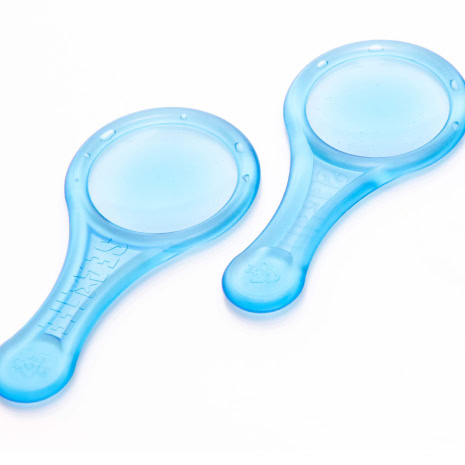
Transparent, tinted and pearlescent finishes
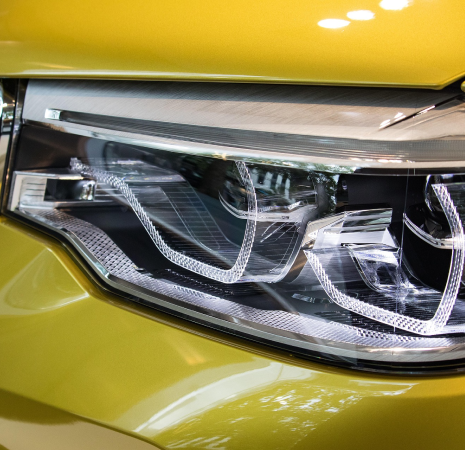
Metallic and textured effects for automotive and premium applications
We can also advise on the compatibility of different finishes with your chosen material, since some polymers accept certain finishes better than others.
Why choose Great Central Plastics for injection moulding materials
Full-service UK plastic injection moulding company. Material specification, in-house toolmaking, bespoke moulding and post-moulding services all under one roof.
Established 1998. Over 25 years of experience across a broad range of applications and industries, from marquee brands to bespoke technical projects.
ISO 9001:2015 registered. Quality management systems you can rely on.
Northamptonshire-based. British manufacturing with short lead times, easier site visits and stronger IP protection than offshore alternatives.
Sustainable production. Solar panels on the factory roof generate around a third of our energy, and our in-house regrind process reuses material wherever possible. For more, see our sustainable injection moulding and eco-friendly materials pages.
Injection moulding material FAQs
A wide range of thermoplastic polymers can be injection moulded, including commodity plastics like polypropylene, polyethylene, polystyrene and ABS, and engineering-grade plastics like nylon and polycarbonate. Great Central Plastics works with all of these and more from our Northamptonshire facility.
There is no single best material for injection moulding. The right choice depends on the product's function, operating environment, appearance requirements, budget and production volume. Polypropylene and ABS are the most widely used, but the ideal material for any specific product depends on its individual requirements. Our team can help you decide.
Yes. We work with fully certified food-grade polymers suitable for drinkware, food packaging and kitchenware. All materials are sourced from reputable suppliers with the appropriate documentation and compliance certification.
Yes. We work with a range of recycled and bio-based plastics, including post-consumer recycled (PCR) grades and plant-based alternatives. Suitability depends on your product's performance and regulatory requirements, and we can advise on the highest realistic recycled content for your project.
Yes. We offer masterbatch colour matching to Pantone specifications, and we produce a range of special-effect finishes including glitter, fluorescent, glow-in-the-dark, transparent and pearlescent.
Commodity plastics such as polypropylene, polyethylene and polystyrene are lower cost and used in high volumes for everyday products. Engineering plastics such as nylon and polycarbonate cost more but offer higher strength, heat resistance or other technical properties suited to demanding applications.
Not sure which material is right for your product?
If you're weighing up two or three material options, or you're at the start of a project and unsure which polymer to specify, our team is happy to help. For a detailed walk-through of the factors to consider, read our complete material selection guide.
For tailored advice on your specific project, get in touch for a no-obligation conversation. We'll help you match the right material to your performance, finish, budget and sustainability requirements.