

General Purpose Polystyrene, commonly abbreviated as GPPS, is a rigid, transparent thermoplastic known for its excellent clarity and ease of processing. GPPS injection moulding is a popular choice for applications where optical clarity and fine detail are important, making it ideal for display products, packaging, and branded promotional items.
Other names for GPPS include standard polystyrene, clear polystyrene, or simply PS plastic. GPPS injection moulding is commonly used for packaging trays, display cases, disposable cutlery, and promotional items where clarity and definition are important.
GPPS is often confused with expanded polystyrene (EPS) which is a foamed version of the material, commonly used in insulation, packaging and protective cushioning, and informally called 'polystyrene' by the public. While both members of the styrene family of polymers, EPS has a much lower density, giving more lightweight and buoyant properties when compared to GPPS, which is a rigid and clear material used in injection moulding.
Polystyrene was first discovered in the 19th century, but it wasn’t until the 1930s that commercial production of GPPS began. Developed by IG Farben in Germany and later popularised by companies like Dow Chemical, it quickly gained traction due to its mouldability and low cost — becoming a staple in the packaging and consumer goods industries.
GPPS is an amorphous thermoplastic, meaning it has no crystalline structure. It's valued for its optical clarity, dimensional stability, and ease of moulding, making it well-suited for injection moulding processes. However, it is more brittle compared to other polymers like polypropylene or ABS.
|
PROPERTY |
RATING (1-5) |
NOTES |
|---|---|---|
|
Strength |
2/5 |
Brittle compared to other plastics; not impact-resistant |
|
Stiffness |
4/5 |
High rigidity and dimensional stability |
|
Heat Resistance |
2/5 |
Low softening point (approx. 90–100°C); not suitable for high-heat use |
|
Cost Effectiveness |
5/5 |
Very economical, ideal for high-volume disposable items |
|
Recyclability |
3/5 |
Can be recycled (typically recycling code #6), but less widely accepted than PP or PET |
|
Food / Drink Safe? |
Yes |
Many GPPS grades are approved for food contact |
Thanks to its clarity, GPPS injection moulding is often used in applications where product visibility, defined branding, or smooth surface finish are key. At Great Central Plastics, our GPPS injection moulded components include:
Point-of-sale display units
Transparent packaging trays
Disposable cutlery and food containers
Product casings and covers
Promotional merchandise and branded items
Cosmetic packaging and inserts
Medical labware such as petri dishes, test tubes and other containers
CD cases were a popular, historic use
Clear cases for collectibles
If your project requires sharp definition, transparency, or high-speed moulding at a competitive price, GPPS injection moulding is a strong option.
GPPS (General Purpose Polystyrene)
Crystal
Polystyrene (PS)
Clear Polystyrene
Standard Polystyrene
Glass-like plastic, clear plastic
GPPS can be recycled, typically under recycling code #6, but unlike polypropylene or PET, it is less commonly accepted in household recycling collections. That said, it remains a suitable material for certain sustainable manufacturing projects, particularly where mono-material design or reuse is possible.
GPPS injection moulded parts can be reground for use in appropriate applications. At Great Central Plastics, we continuously work towards improving sustainable plastic moulding, and where appropriate, we help customers choose recyclable and efficient materials like GPPS for suitable projects and look to combine it with eco-friendly ingredients such as BDP.
GPPS is naturally transparent, making it ideal for clear parts or for tinting in various shades. It is best suited to smooth, glossy finishes, and can be easily coloured or printed. While it does not accept chrome plating or heavy surface modification as well as some other materials, GPPS injection moulding performs well in high-precision applications where fine detail and smooth surfaces are essential.
GPPS injection moulded components are compatible with several post-moulding operations, including:
Painting or lacquering
Light assembly and ultrasonic welding (with care due to brittleness)
These processes allow us to offer decorative and branded finishes for retail-ready items and promotional goods.
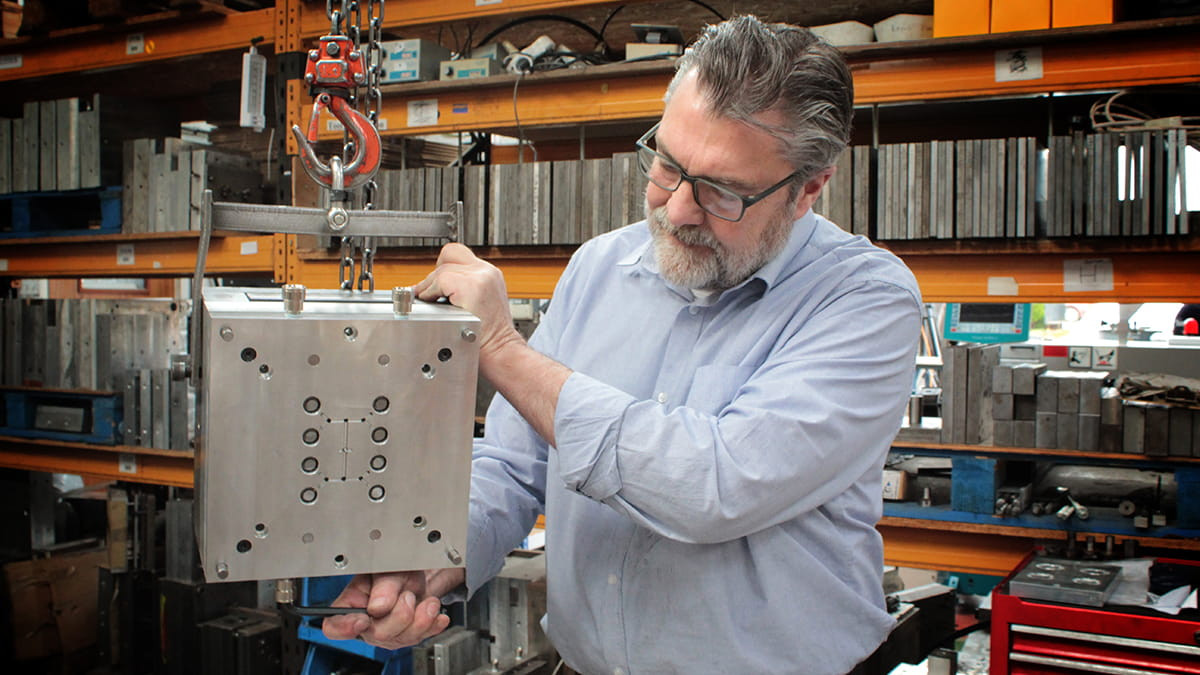
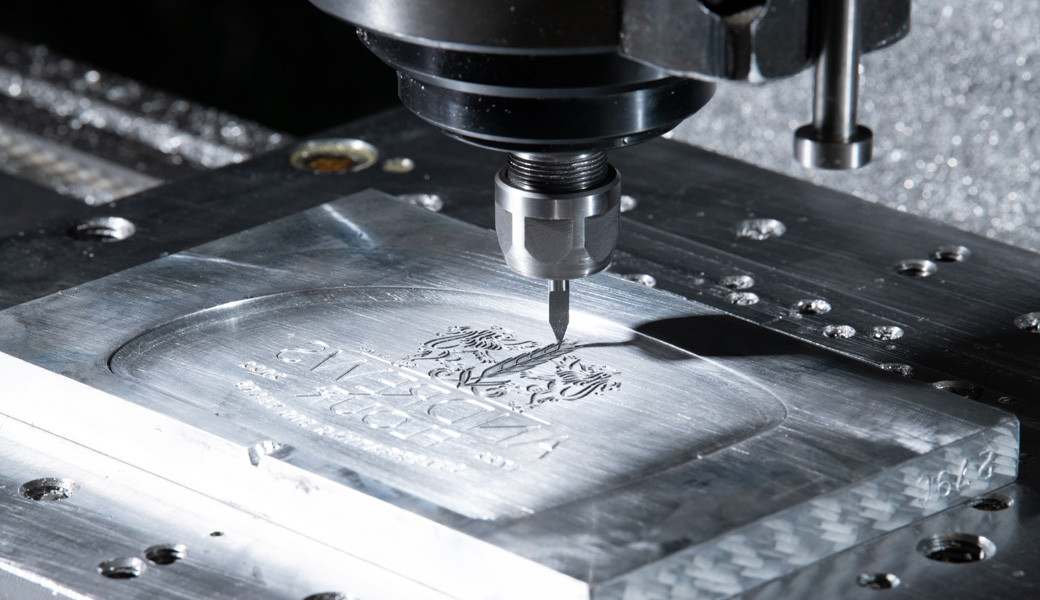
At Great Central Plastics, we have extensive experience with GPPS injection moulding from our Northamptonshire facility. Our in-house toolmaking capabilities and understanding of GPPS processing requirements allow us to optimise mould designs for this material's specific flow characteristics and clarity requirements.
GPPS requires careful processing to maintain its optical clarity and achieve fine detail. Our team understands the importance of proper drying, precise temperature control, and appropriate cooling rates to deliver the transparency and surface finish that GPPS is known for. Combined with our ISO 9001:2015 certification, we maintain consistent quality standards across production runs.
We handle GPPS injection moulding projects across multiple industries, from point-of-sale displays requiring crystal-clear transparency to food packaging needing regulatory compliance. Our comprehensive post-moulding services including pad printing, hot foil stamping, and assembly are particularly well-suited to GPPS components where visual appeal and branding are critical.
GPPS is a versatile thermoplastic for applications where clarity, cost efficiency, and detailed definition are key. Its optical properties and ease of processing make it suitable for display packaging, promotional products, and food-grade clear containers where product visibility is important.
At Great Central Plastics, we combine expertise in GPPS processing with in-house toolmaking and comprehensive finishing capabilities. Our Northamptonshire facility handles GPPS injection moulding from initial design through to final delivery, maintaining ISO 9001:2015 quality standards throughout production.
If you're considering GPPS for your injection moulding project, our team can discuss material grades, processing considerations, and finishing options specific to your requirements. Contact us today to learn more about our GPPS injection moulding capabilities.