

High-Density Polyethylene, or HDPE, is a strong, lightweight thermoplastic known for its high stiffness, excellent chemical resistance, and impact durability. Compared to LDPE, HDPE has a more linear structure, giving it greater strength and rigidity while maintaining good processability, making it ideal for injection moulded components that need to be robust and cost-effective.
HDPE injection moulding is commonly used to manufacture tough, long-lasting parts for industrial, consumer, and packaging applications, particularly where water or chemical exposure is likely.
HDPE was first produced in the early 1950s by Karl Ziegler in Germany using a catalytic process that aligned the polymer chains into a linear structure. This breakthrough led to a tougher, denser form of polyethylene, which quickly found commercial use in pipes, containers, and moulded parts due to its combination of strength and chemical resistance.
HDPE is a semi-crystalline thermoplastic with excellent strength-to-weight ratio and resistance to many chemicals. These properties make it particularly well-suited for injection moulding applications requiring durability and chemical resistance. It is not transparent, but can be produced in a wide range of colours and has a smooth, waxy surface.
|
PROPERTY |
RATING (1-5) |
NOTES |
|---|---|---|
|
Strength |
4/5 |
High tensile strength and impact resistance for a wide range of uses |
|
Stiffness |
4/5 |
Stiffer and more rigid than LDPE |
|
Heat Resistance |
3/5 |
Performs well up to 110–120°C; suitable for hot-fill packaging |
|
Cost Effectiveness |
5/5 |
Low-cost and widely available, ideal for high-volume moulding |
|
Recyclability |
5/5 |
Easily recycled (resin code #2); accepted in most recycling schemes |
|
Food / Drink Safe? |
Yes |
Widely used for food and drink packaging; many grades are food-approved |
HDPE injection moulding is ideal for rigid, durable mouldings that require resistance to impact, moisture, or chemicals. At Great Central Plastics, our HDPE injection moulded components include:
Industrial containers and tubs
Food-safe packaging and closures
Garden and outdoor products
Caps, plugs, and protective covers
Chemical-resistant mouldings
If your application needs to be tough, weatherproof, and long-lasting, HDPE injection moulding is a practical and sustainable solution.
HDPE (High-Density Polyethylene)
Sometimes referred to as rigid polyethylene or HD plastic
Common trade names include Hostalen®, Lupolen®, and Alathon®
HDPE is one of the most widely recycled plastics, typically marked with recycling code #2. Its chemical resistance and durability make it ideal for reusable and long-life components, supporting sustainable product design and circular manufacturing goals.
HDPE injection moulded parts are accepted in most recycling programmes and can be reground for use in new applications. At Great Central Plastics, we prioritise recyclable materials wherever possible and advise customers on how HDPE can contribute to their sustainable injection moulding objectives. Our commitment to sustainable manufacturing helps clients meet their environmental goals while maintaining product quality.
HDPE can be produced in virtually any colour through injection moulding, though it is naturally opaque. It typically features a smooth, slightly waxy surface, and while it doesn't achieve high-gloss finishes, it's suitable for functional and industrial-grade parts. Additives for UV resistance, anti-static properties, or flame retardancy can also be incorporated where needed.
Due to its low surface energy, HDPE injection moulded components have some limitations for decorative post-processing, but remain suitable for:
Basic pad printing (with surface treatment)
Ultrasonic welding
Insertion and press-fitting
Assembly with other components
Its performance in secondary processes makes it suitable for functional assemblies and product casings.
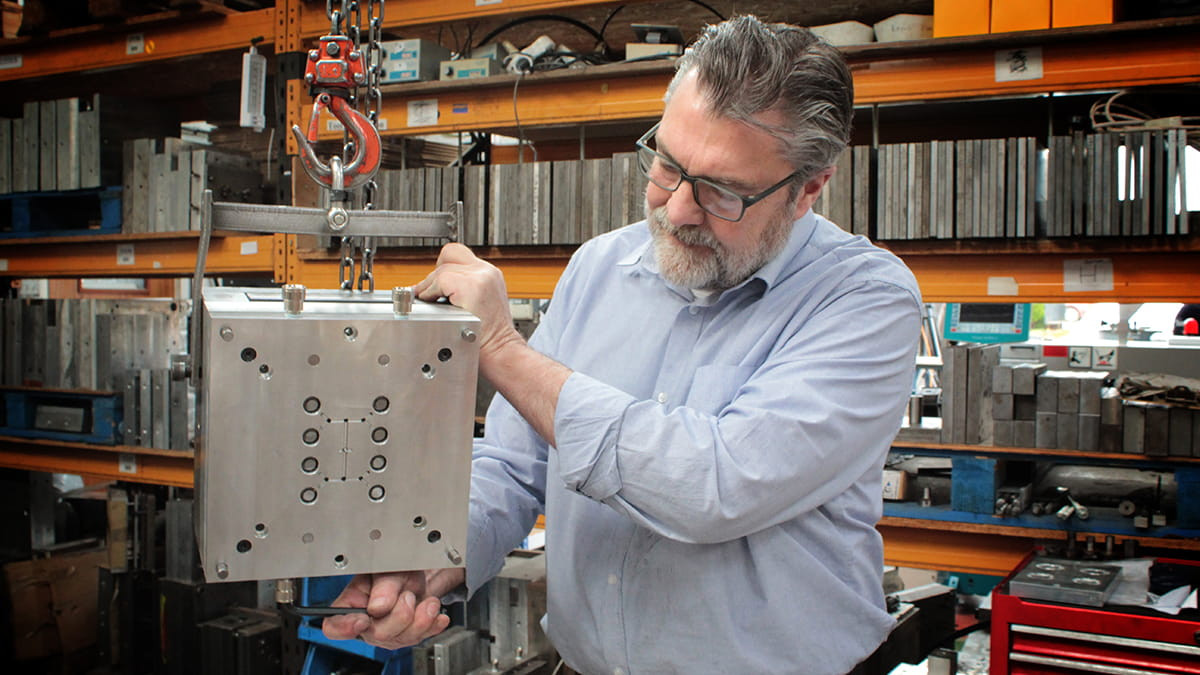
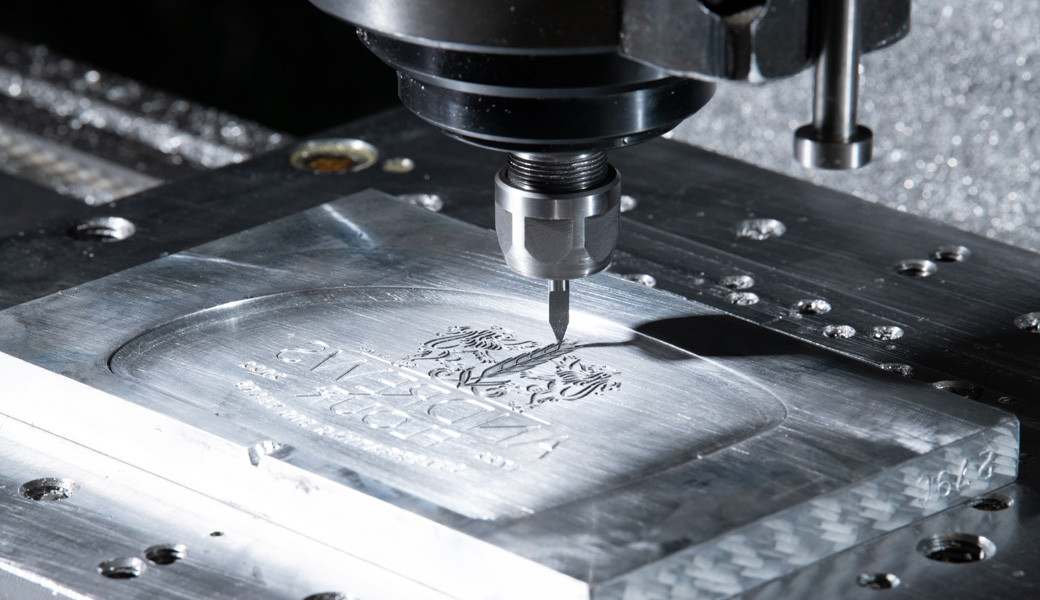
At Great Central Plastics, we have extensive experience with HDPE injection moulding from our Northamptonshire facility. Our in-house toolmaking capabilities and understanding of HDPE processing requirements allow us to optimise mould designs for this material's specific flow characteristics and shrinkage properties.
HDPE requires careful processing to achieve optimal results. Our team understands the importance of proper temperature control, cooling rates, and mould design to deliver the strength and dimensional accuracy that HDPE is known for. Combined with our ISO 9001:2015 certification, we maintain consistent quality standards across production runs of all sizes.
We handle HDPE injection moulding projects across multiple industries, from food-safe containers requiring regulatory compliance to industrial components needing chemical resistance and durability. Our comprehensive post-moulding services including ultrasonic welding and assembly are particularly well-suited to HDPE components where robust functionality is essential.
HDPE is a tough, lightweight, and versatile material that delivers excellent value in industrial, consumer, and packaging applications. With strong recyclability, good impact resistance, and broad chemical compatibility, it's well-suited for sustainable, high-volume production projects.
At Great Central Plastics, we combine expertise in HDPE processing with in-house toolmaking and comprehensive manufacturing capabilities. Our Northamptonshire facility handles HDPE injection moulding from initial design through to final delivery, maintaining ISO 9001:2015 quality standards throughout production.
If you're considering HDPE for your injection moulding project, our team can discuss material grades, processing considerations, and application suitability specific to your requirements. Contact us today to learn more about our HDPE injection moulding capabilities.