

Low-Density Polyethylene, commonly known as LDPE, is a soft, flexible thermoplastic known for its excellent impact resistance, chemical resistance, and low cost. Although often used in film and extrusion processes, LDPE injection moulding is also used to create flexible, lightweight components that don't require high stiffness or heat resistance.
LDPE injection moulding can produce moulded parts where flexibility, toughness, and low processing cost are important, making it ideal for packaging items, caps, and soft promotional products.
LDPE was the first polyethylene to be produced commercially, developed in 1933 by ICI (Imperial Chemical Industries) in the UK. Initially used in military applications, it became widely adopted in the post-war consumer boom thanks to its chemical inertness, flexibility, and ease of processing.
LDPE is a semi-crystalline thermoplastic with a branched molecular structure, giving it high flexibility and low tensile strength. These properties make it particularly well-suited for injection moulding applications requiring soft-touch components, low-load applications, and parts that need to bend without breaking.
|
PROPERTY |
RATING (1-5) |
NOTES |
|---|---|---|
|
Strength |
2/5 |
Low tensile strength; better suited to light-duty applications |
|
Stiffness |
1/5 |
Very flexible and soft compared to other moulding plastics |
|
Heat Resistance |
2/5 |
Softens at around 80–90°C; not suitable for high-temperature use |
|
Cost Effectiveness |
5/5 |
Very economical and easy to mould |
|
Recyclability |
4/5 |
Widely recyclable (recycling code #4), but collection can be limited |
|
Food / Drink Safe? |
Yes |
Commonly used in food packaging and approved for contact applications |
LDPE injection moulding is ideal for products that require flexibility, lightweight properties, or chemical resistance. At Great Central Plastics, our LDPE injection moulded components include:
Caps, plugs, and soft closures
Squeeze containers and bottles
Flexible promotional products
Cable covers and electrical insulators
Food-safe containers and trays
Garden product components
LDPE film is also widely used for shrink wrap, cling film, bubble wrap and food bags, though these applications typically use extrusion rather than injection moulding processes.
If you need a low-cost material that can bend without breaking, resist chemicals, and deliver a soft finish, LDPE injection moulding is an excellent solution.
LDPE (Low-Density Polyethylene)
Sometimes referred to simply as polyethylene
Trade names include Alathon®, Lupolen®, and Hostalen®
Informally referred to as polywrap, shrink wrap or food wrap
LDPE is recyclable under resin code #4, and many post-industrial and some post-consumer recycling schemes can process it. Its chemical resistance and durability in outdoor or reusable applications also help reduce product waste over time.
LDPE injection moulded parts can be reground and reprocessed for appropriate applications. Great Central Plastics is committed to sustainable injection moulding, and we support the use of recyclable materials like LDPE where they align with long-term product value and environmentally responsible design principles.
LDPE can be produced in a wide range of colours and finishes through injection moulding. It has a naturally waxy or matte surface, but can be customised with tints, textures, and additives such as UV stabilisers. While not ideal for high-gloss finishes or detailed texturing, LDPE injection moulding performs well in functional or soft-touch applications.
Due to its low stiffness and waxy surface, LDPE injection moulded components are less suited to decorative post-processing. However, they can be adapted for:
Basic pad printing
Mechanical assembly
Simple stamping or labelling
Overmoulding in multi-material components
These processes enable us to offer flexible components that integrate smoothly with more rigid parts.
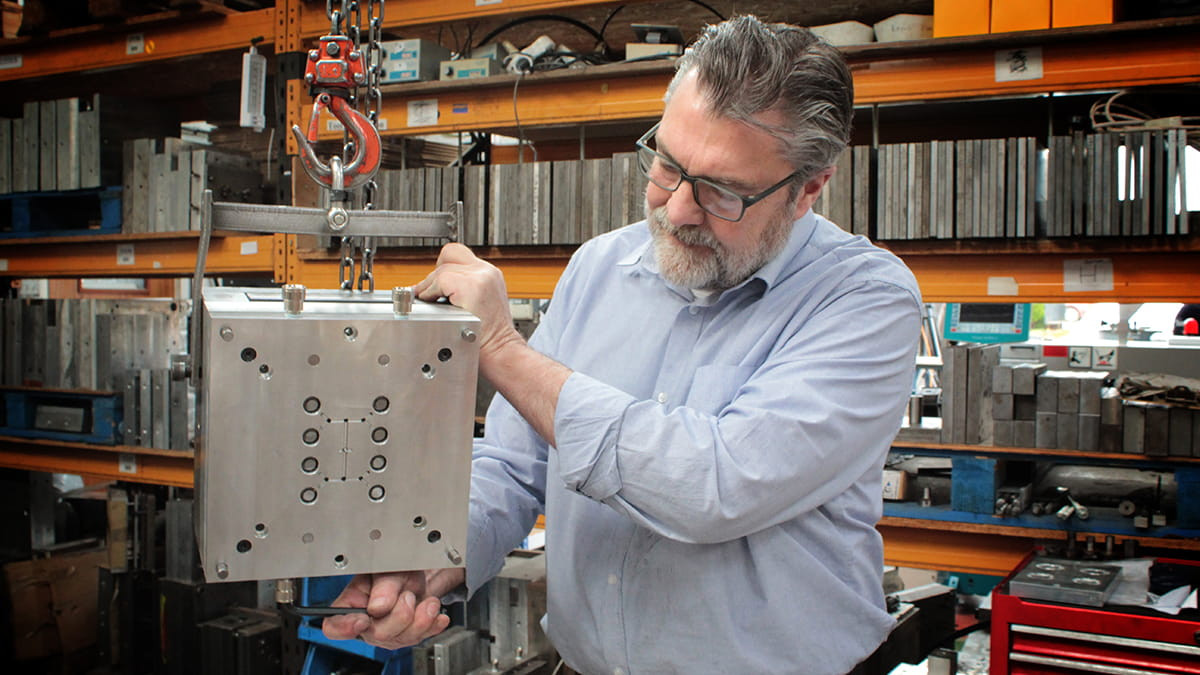
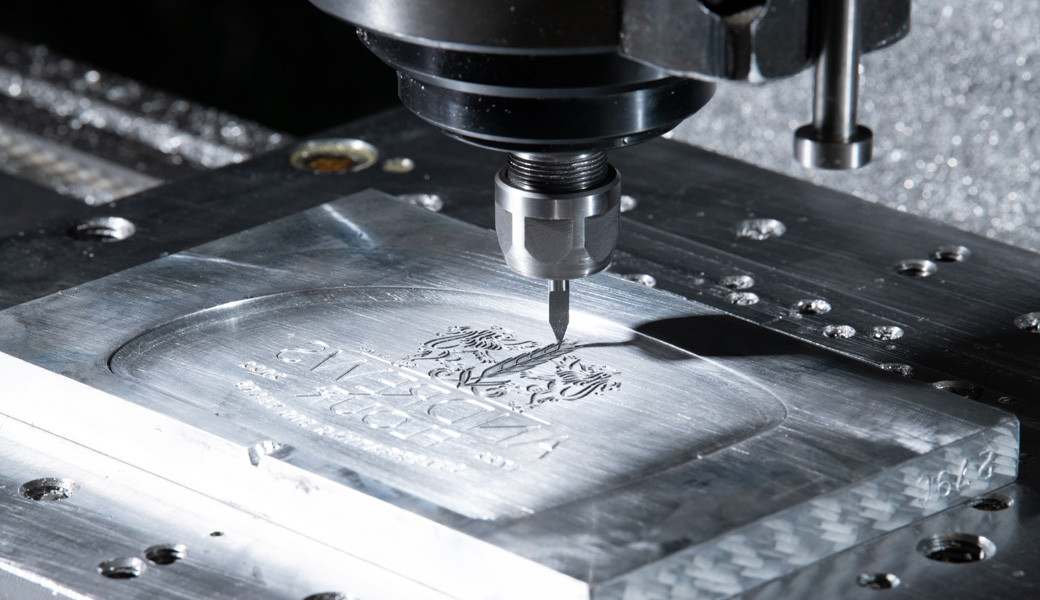
At Great Central Plastics, we have extensive experience with LDPE injection moulding from our Northamptonshire facility. Our in-house toolmaking capabilities and understanding of LDPE processing requirements allow us to optimise mould designs for this material's specific flow characteristics and flexibility needs.
LDPE requires careful attention to processing parameters to achieve optimal results. Our team understands the importance of proper temperature control, injection speeds, and cooling rates to deliver the flexibility and durability that LDPE is known for. Combined with our ISO 9001:2015 certification, we maintain consistent quality standards across production runs.
We handle LDPE injection moulding projects across multiple industries, from food-safe containers requiring regulatory compliance to soft closures needing chemical resistance. Our comprehensive post-moulding services including mechanical assembly and basic printing are particularly well-suited to LDPE components where functionality and cost-effectiveness are important.
LDPE is a flexible, cost-effective polymer that's ideal for light-duty mouldings, soft closures, and chemical-resistant components. Its recyclability, ease of processing, and safety for food contact make it suitable for many consumer and industrial applications where flexibility and low cost are priorities.
At Great Central Plastics, we combine expertise in LDPE processing with in-house toolmaking and comprehensive manufacturing capabilities. Our Northamptonshire facility handles LDPE injection moulding from initial design through to final delivery, maintaining ISO 9001:2015 quality standards throughout production.
If you're considering LDPE for your injection moulding project, our team can discuss material grades, processing considerations, and application suitability specific to your requirements. Contact us today to learn more about our LDPE injection moulding capabilities.