

Nylon, also known as Polyamide (PA), is a family of engineering thermoplastics known for their exceptional mechanical strength, wear resistance, and thermal stability. The two most commonly used types in nylon injection moulding are Nylon 6 (PA6) and Nylon 66 (PA66). While similar in many ways, each has distinct properties that make it suitable for different injection moulding applications.
Nylon was the first synthetic plastic fibre, originally developed by DuPont in the 1930s. Nylon 66 was introduced first, followed by Nylon 6 developed in Germany as a chemically different but functionally similar material. Since then, both materials have become widely adopted in engineering, automotive, electrical, and industrial sectors, and are now among the most trusted engineering plastics in injection moulding.
Both PA6 and PA66 are semi-crystalline engineering thermoplastics with excellent mechanical strength and resistance to abrasion, chemicals, and heat. These properties make them particularly well-suited for injection moulding of engineering components. PA66 generally offers slightly better performance in stiffness and heat resistance, while PA6 is easier to process and has better impact resistance.
|
PROPERTY |
PA6 RATING (1-5) |
PA66 RATING (1-5) |
NOTES |
|---|---|---|---|
|
Strength |
5/5 |
5/5 |
Both offer high tensile strength; PA66 slightly higher at elevated temps |
|
Stiffness |
4/5 |
5/5 |
PA66 is slightly more rigid |
|
Heat Resistance |
4/5 |
5/5 |
PA66 has a higher melting point (~260°C vs ~220°C for PA6) |
|
Cost Effectiveness |
3/5 |
3/5 |
Both are cost-effective for engineering plastics |
|
Recyclability |
3/5 |
5/5 |
Both are recyclable via industrial processes |
|
Food / Drink Safe? |
No (typically) |
No (typically) |
Some grades are food-safe but must be specified |
Both PA6 and PA66 are used in demanding injection moulding projects where strength, dimensional stability, and chemical resistance are essential. At Great Central Plastics, our nylon injection moulded components include:
Automotive clips, fasteners, and interior components
Bearings, gears, and mechanical linkages
Power tool housings and brackets
Structural parts in consumer and industrial products
Fixings, enclosures, and engineering-grade promotional items
PA6 is often preferred for nylon injection moulding components where impact strength and surface finish are priorities, while PA66 is selected for higher temperature or high-load environments.
PA6 = Polyamide 6 / Nylon 6
PA66 = Polyamide 66 / Nylon 66
Both are commonly referred to as engineering nylons, nylon plastic, or polyamides
Trade names include Zytel®, Durethan®, Ultramid®, Akulon®
Both PA6 and PA66 are recyclable, though they are less commonly accepted in general waste streams and typically require industrial recycling processes. However, their strength, longevity, and wear resistance make them ideal for long-life applications, reducing the need for frequent replacements and lowering overall environmental impact.
Nylon injection moulded parts can be reground for appropriate applications. At Great Central Plastics, we advise customers on using PA materials as part of a sustainable design strategy, especially where component lifespan and durability offset the need for virgin material.
Nylon is typically moulded in black or natural (off-white) colours through injection moulding, though tinted colours are available. It offers good detail accuracy, a matte or satin finish, and can be reinforced with glass fibre for added strength and stiffness. Surface appearance may vary slightly between PA6 and PA66 due to moisture absorption and crystallinity.
Both PA6 and PA66 injection moulded components are highly suitable for technical applications and secondary operations, including:
Ultrasonic welding
Insert moulding and overmoulding
Machining and tapping
Mechanical assembly
Limited pad printing or painting (with surface preparation)
Their dimensional stability and toughness make them reliable in multi-part assemblies and mechanically demanding environments.
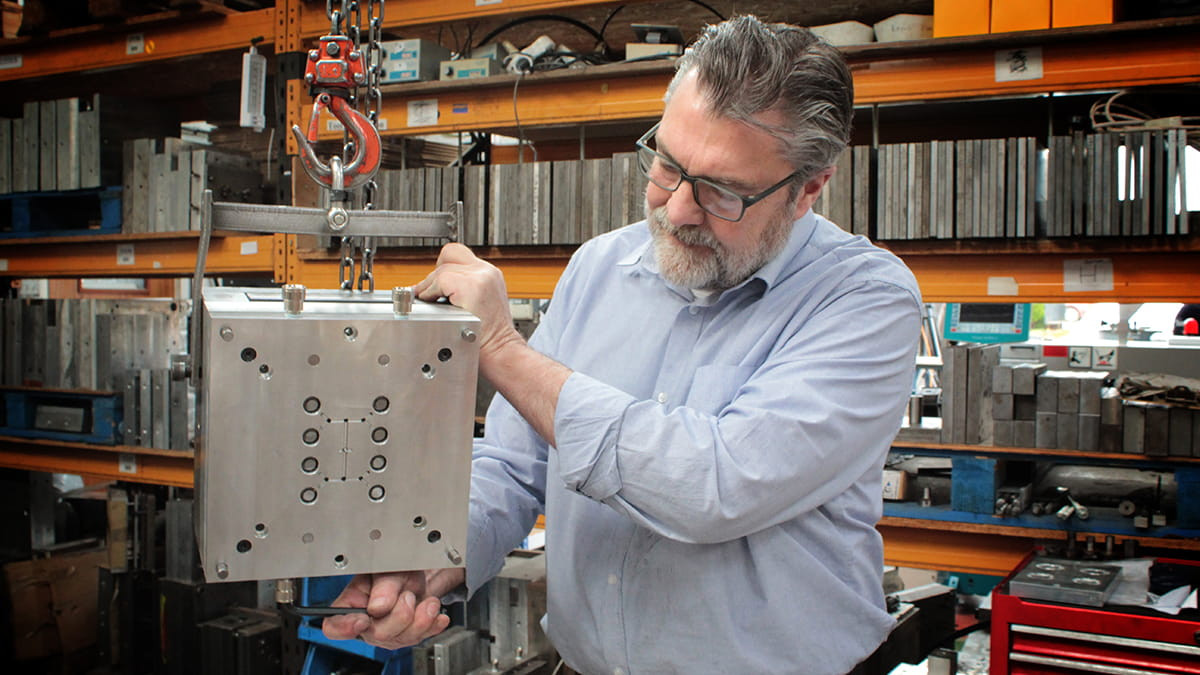
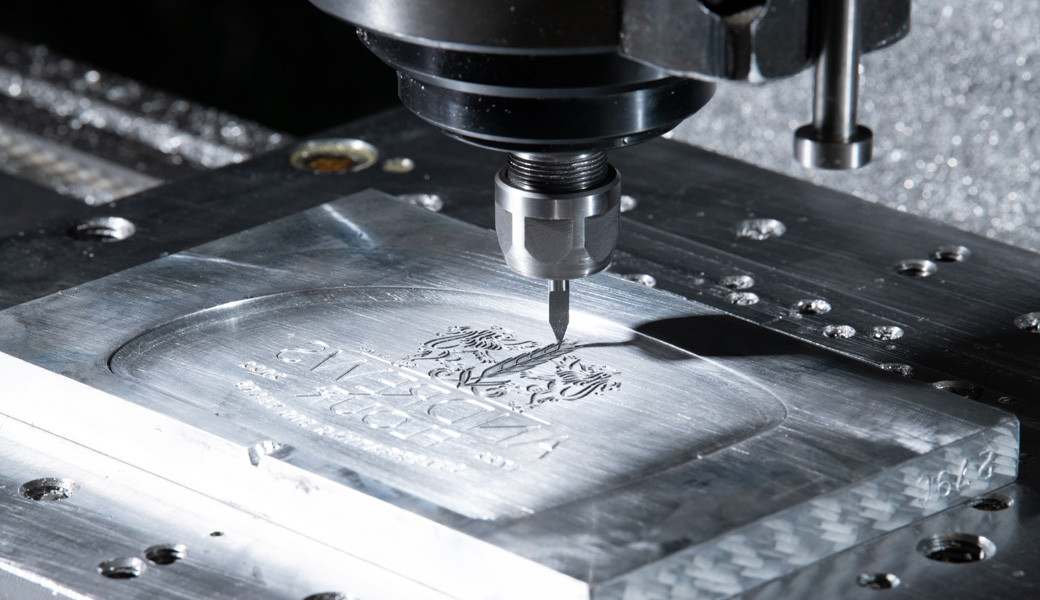
At Great Central Plastics, we have extensive experience with nylon injection moulding from our Northamptonshire facility. Our in-house toolmaking capabilities and understanding of nylon processing requirements allow us to optimise mould designs for both PA6 and PA66's specific characteristics, including moisture sensitivity and crystallinity.
Nylon requires careful processing to achieve optimal results. Our team understands the importance of proper drying, precise temperature control, and appropriate cooling rates to deliver the strength and dimensional accuracy that nylon is known for. Combined with our ISO 9001:2015 certification, we maintain consistent quality standards across production runs.
We handle nylon injection moulding projects across multiple industries, from automotive components requiring high load-bearing capacity to precision gears needing wear resistance. Our comprehensive post-moulding services including insert moulding, ultrasonic welding, and assembly are particularly well-suited to nylon components where mechanical performance is critical. We can help you select between PA6 and PA66 based on your specific requirements.
Nylon (PA6 and PA66) is a versatile, high-performance polymer family ideal for structural, load-bearing, and precision-engineered components. The material's excellent mechanical properties make it suitable for projects demanding high strength, thermal resistance, or long-term durability.
At Great Central Plastics, we combine expertise in nylon processing with in-house toolmaking and comprehensive manufacturing capabilities. Our Northamptonshire facility handles nylon injection moulding from initial design through to final delivery, maintaining ISO 9001:2015 quality standards throughout production.
If you're considering nylon for your injection moulding project, our team can discuss whether PA6 or PA66 is best suited to your application, along with processing considerations and finishing options specific to your requirements. Contact us today to learn more about our nylon injection moulding capabilities.