

Thermoplastic Elastomers, abbreviated as TPE, are a class of materials that combine the elastic properties of rubber with the processability of plastics. TPE injection moulding produces soft, flexible components that can be stretched and returned to their original shape, making it ideal for grip-enhancing, shock-absorbing, or soft-touch applications.
TPE injection moulding is commonly used in projects that require comfort, flexibility, and durability, often in overmoulded parts, handles, seals, and custom promotional products.
TPEs were first developed in the 1950s as a solution to the limitations of traditional thermoset rubber. Their ability to be processed like plastics and reused through melting and remoulding revolutionised soft component manufacturing. Since then, TPEs have expanded into multiple types and grades, covering a broad spectrum of feel, strength, and chemical resistance.
TPEs are a broad family of materials, including subclasses like SBS, SEBS, TPU, and TPO. Their flexibility, softness, and resilience make them particularly well-suited for injection moulding, both for standalone parts and overmoulded grips.
|
PROPERTY |
RATING (1-5) |
NOTES |
|---|---|---|
|
Strength |
3/5 |
Flexible and tough; not rigid, but good for shock absorption |
|
Stiffness |
1/5 |
Very low stiffness; excellent for flexible, soft-touch parts |
|
Heat Resistance |
2/5 |
Suitable for typical use temperatures; varies by grade (up to ~100°C) |
|
Cost Effectiveness |
2/5 |
Mid-range cost; varies depending on TPE type and performance |
|
Recyclability |
4/5 |
Recyclable and reusable in production; not always widely collected |
|
Food / Drink Safe? |
Yes |
Many medical and food-grade TPEs are available |
TPE injection moulding is used across industries where comfort, grip, or sealing are important. At Great Central Plastics, our TPE injection moulded components include:
Soft-touch grips for tools, pens, and consumer goods
Seals, gaskets, and anti-vibration pads
Overmoulded handles and buttons
Sports equipment and wearable components
Promotional products requiring a rubber-like feel
Drinks products such as ice cube trays
Medical and personal care products
TPE injection moulding's softness and durability make it ideal for tactile or ergonomic parts that are repeatedly handled or compressed. It can be used for certain applications as an alternative to silicone.
TPE (Thermoplastic Elastomer)
Other types include TPU (Thermoplastic Polyurethane), SEBS, SBS, TPO, TPV
Sometimes referred to as soft-touch plastic, rubber-like plastic, or flexible thermoplastic
Common trade names: Santoprene®, Kraton®, Versaflex®
Unlike traditional rubber, TPE is recyclable and can be reprocessed through standard thermoplastic moulding. Off-cuts and scrap from TPE injection moulding can often be reused, and many TPE grades are designed with low environmental impact in mind.
As a supplier of sustainable injection moulding solutions, Great Central Plastics works with recyclable TPE grades wherever possible, helping reduce material waste and improve sustainable product design.
TPE can be supplied in a wide variety of colours and durometers (softness levels) for injection moulding. It typically provides a matte, rubbery finish, though certain grades can be modified for gloss or special textures. TPE injection moulding is commonly used in bicolour or overmoulded components, combining hard and soft plastics in one part for enhanced functionality and grip.
TPE injection moulded components support many post-mould operations, depending on the grade and application:
Overmoulding onto rigid substrates (like ABS or PP)
Pad printing or laser marking
Heat sealing and ultrasonic welding (grade dependent)
Assembly with other plastic or metal parts
These features make TPE injection moulding highly adaptable for products that demand comfort, performance, and branding in one complete component.
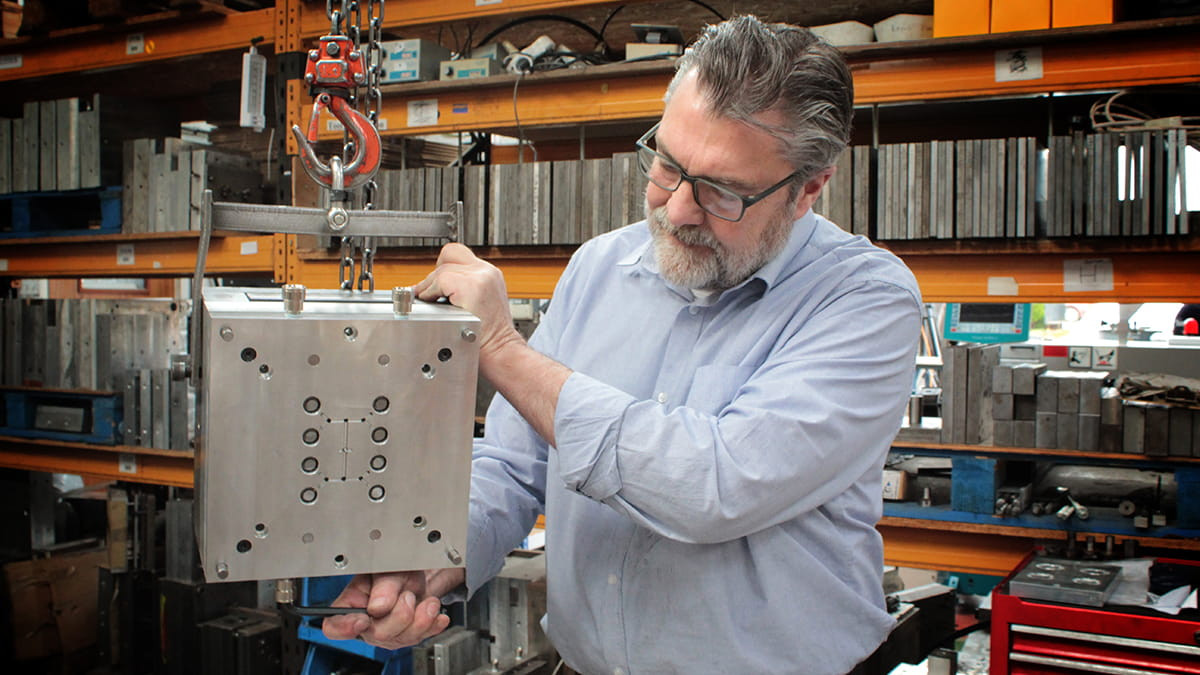
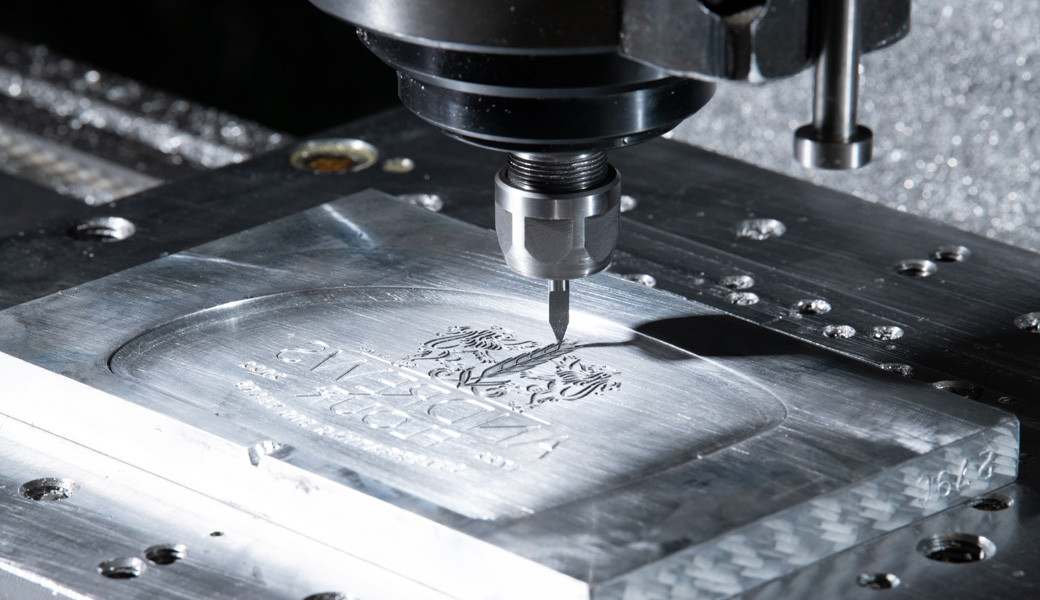
At Great Central Plastics, we have extensive experience with TPE injection moulding from our Northamptonshire facility. Our in-house toolmaking capabilities and understanding of TPE processing requirements allow us to optimise mould designs for this material's specific flow characteristics and softness requirements.
TPE requires careful processing to achieve the desired softness and durability. Our team understands the importance of proper temperature control, injection speeds, and material selection to deliver the flexibility and tactile quality that TPE is known for. Combined with our ISO 9001:2015 certification, we maintain consistent quality standards across production runs.
We handle TPE injection moulding projects across multiple industries, from soft-touch grips requiring specific durometer levels to medical components needing food-grade certification. Our expertise in overmoulding is particularly well-suited to TPE applications where combining soft and rigid materials creates enhanced functionality and user comfort.
TPE is a flexible, rubber-like material that brings together the best properties of plastics and elastomers. It's well-suited for soft-touch injection moulded components, including grips, seals, and durable wearable parts where comfort and flexibility are essential.
At Great Central Plastics, we combine expertise in TPE processing with in-house toolmaking and comprehensive overmoulding capabilities. Our Northamptonshire facility handles TPE injection moulding from initial design through to final delivery, maintaining ISO 9001:2015 quality standards throughout production.
If you're considering TPE for your injection moulding project, our team can discuss material grades, durometer selection, overmoulding options, and finishing considerations specific to your requirements. Contact us today to learn more about our TPE injection moulding capabilities.