

Acrylonitrile Butadiene Styrene, or ABS, is a tough, versatile thermoplastic that combines the best properties of three different polymers. Known for its strength, impact resistance, and excellent surface finish, ABS is widely used in injection moulding for both technical and consumer products.
ABS injection moulding is often chosen for components where a high-quality surface finish is needed alongside mechanical durability, making it ideal for applications in automotive, electronics, and retail products.
ABS was developed in the 1940s as engineers began blending rubber with styrene-based plastics to enhance impact performance. It gained popularity throughout the 1950s and 60s as a robust, mouldable alternative to metal or brittle plastics, famously being the polymer that Lego bricks have been made from since 1963. Today, ABS is one of the most widely used engineering thermoplastics in injection moulding and consumer manufacturing.
ABS is an amorphous thermoplastic that blends the chemical resistance of acrylonitrile, the toughness of butadiene rubber, and the rigidity and gloss of styrene. These properties make ABS one of the most popular choices for injection moulding when balancing performance, cost, and aesthetic requirements. It's highly regarded for its impact strength, dimensional stability, and ease of colouring or plating.
|
PROPERTY |
RATING (1-5) |
NOTES |
|---|---|---|
|
Strength |
4/5 |
Excellent mechanical strength and durability |
|
Stiffness |
4/5 |
Rigid with good dimensional stability |
|
Heat Resistance |
3/5 |
Performs well up to 90–105°C; heat-resistant grades available |
|
Cost Effectiveness |
4/5 |
More economical than many engineering plastics |
|
Recyclability |
3/5 |
Recyclable (typically code #7), but less common in domestic schemes |
|
Food / Drink Safe? |
No |
Not typically approved for food or drink contact |
ABS is one of the most popular injection moulding materials thanks to its balance of performance, cost, and finish. At Great Central Plastics, our ABS injection moulded components include:
Automotive interior parts and trim
Housings for electronic equipment
Retail display components
Durable branded merchandise and giveaways
Tool handles and enclosures
Consumer goods and appliance parts
Musical instruments such as recorders, oboes and clarinets
Golf club heads
Luggage and protective carrying cases
ABS injection moulding is often selected when tactile quality, surface definition, or colour fidelity are important considerations.
ABS (Acrylonitrile Butadiene Styrene)
Sometimes referred to as engineering plastic or ABS plastic
Trade names include Terluran®, Cycolac®, Lustran®
ABS is recyclable and classed under resin code #7, but it’s not as widely accepted in household waste streams as materials like polypropylene or PET. However, its long service life, robustness, and suitability for regrinding make it a viable material in sustainable manufacturing projects where lifespan and performance reduce overall waste.
ABS injection moulded parts can be reground and reprocessed, particularly effective in closed-loop manufacturing environments. At Great Central Plastics, we support eco-conscious material selection, advising on how ABS can play a role in long-life or reusable product designs.
ABS is well-known for its excellent surface appearance and is often used in injection moulding when a high-gloss, matt, or textured finish is required. It takes colour very well, with a wide range of available masterbatches. ABS injection moulded components can also be chrome plated, making them suitable for automotive badges and decorative parts.
The material's natural surface properties allow for superior finish quality straight from the mould compared to many other thermoplastics, reducing the need for extensive post-processing in many applications.
ABS injection moulded components are extremely adaptable to a wide range of post-moulding operations, including:
Ultrasonic welding
Pad printing and hot foil stamping
Painting and coating
Insertion and assembly
These features make ABS injection moulding a go-to choice for cosmetic, functional, and branded components across many sectors.
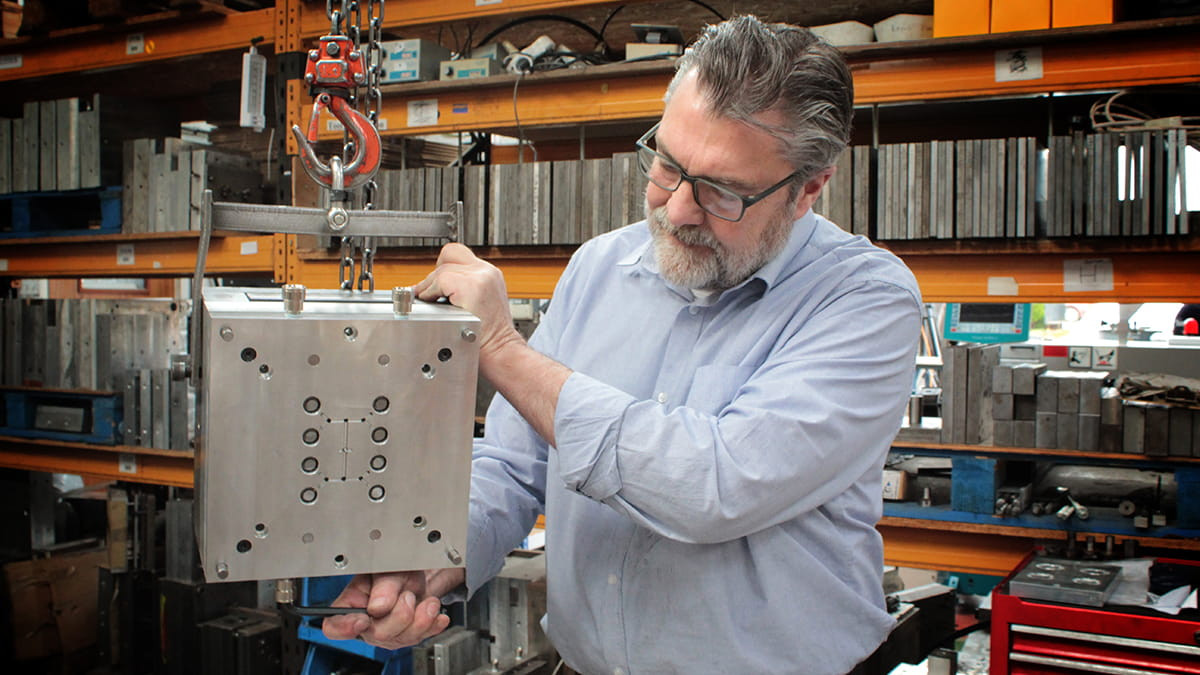
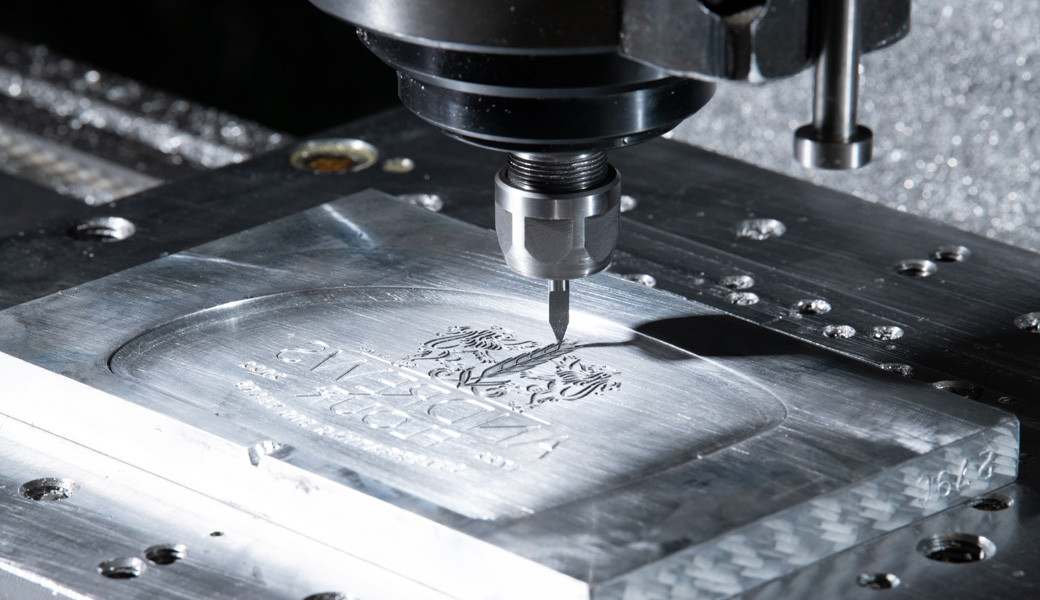
At Great Central Plastics, we have extensive experience with ABS injection moulding from our Northamptonshire facility. Our in-house toolmaking capabilities and understanding of ABS processing requirements allow us to optimise mould designs for this material's specific flow characteristics and shrinkage properties.
ABS requires careful processing to achieve optimal results. Our team understands the importance of proper drying, precise temperature control, and appropriate injection speeds to deliver the surface finish and dimensional accuracy that ABS is known for. Combined with our ISO 9001:2015 certification, we maintain consistent quality standards across production runs.
We handle ABS injection moulding projects across various industries, from automotive badges requiring chrome plating to electronic housings needing precise tolerances. Our comprehensive post-moulding services including chrome plating, pad printing, and assembly are particularly well-suited to ABS components where surface finish and appearance are critical.
ABS offers an excellent balance of mechanical performance, surface quality, and cost-effectiveness for injection moulding applications. Its versatility makes it suitable for projects ranging from automotive components to consumer electronics, particularly where surface finish and impact resistance are priorities.
At Great Central Plastics, we combine expertise in ABS processing with in-house toolmaking and comprehensive finishing capabilities. Our Northamptonshire facility handles ABS injection moulding from initial design through to final delivery, maintaining ISO 9001:2015 quality standards throughout production.
If you're considering ABS for your injection moulding project, our team can discuss material grades, processing considerations, and finishing options specific to your requirements. Contact us today to learn more about our ABS injection moulding capabilities.