Automotive Injection Moulding in the UK: A Complete Guide

Injection moulding sits at the heart of modern car manufacturing. From the badges on the boot lid to the trim in the cabin and the housings hidden under the bonnet, plastic components have replaced heavier, costlier and less versatile alternatives across almost every part of the vehicle. For UK automotive manufacturers and suppliers, choosing the right injection moulding partner is one of the decisions that most directly affects quality, cost and lead time.
This guide covers what automotive injection moulding involves, the components typically produced, the materials most commonly used, and what to look for when choosing a UK injection moulding company for automotive work.
What is automotive injection moulding?
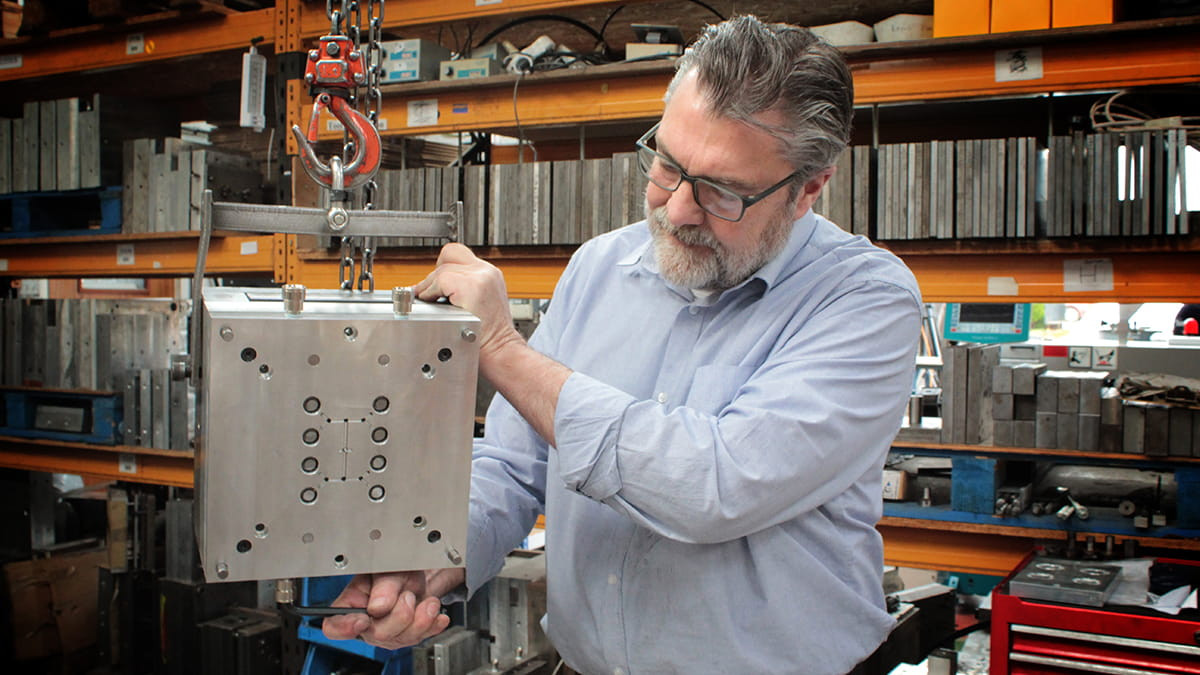
Automotive injection moulding is the process of manufacturing plastic components for the automotive sector using precision injection moulding tools and machines. In simple terms, molten plastic is injected under high pressure into a bespoke mould, cooled, and ejected as a finished component, ready for painting, plating, assembly or fitting. It's the same underlying process used across all sectors, but the automotive sector places particularly demanding requirements on tolerance, finish, material consistency and traceability.
Great Central Plastics has been producing automotive injection moulded components from our Northamptonshire facility since 1998, working with brands including Bentley, Toyota and Triumph. Our capabilities in automotive badges are unrivalled and we produce a wide range of trim, functional and decorative parts for the sector.
Common automotive components produced by injection moulding
The variety of parts made this way is enormous. A modern car contains hundreds of injection moulded plastic components, ranging from cosmetic details to load-bearing structural parts. Common examples include:
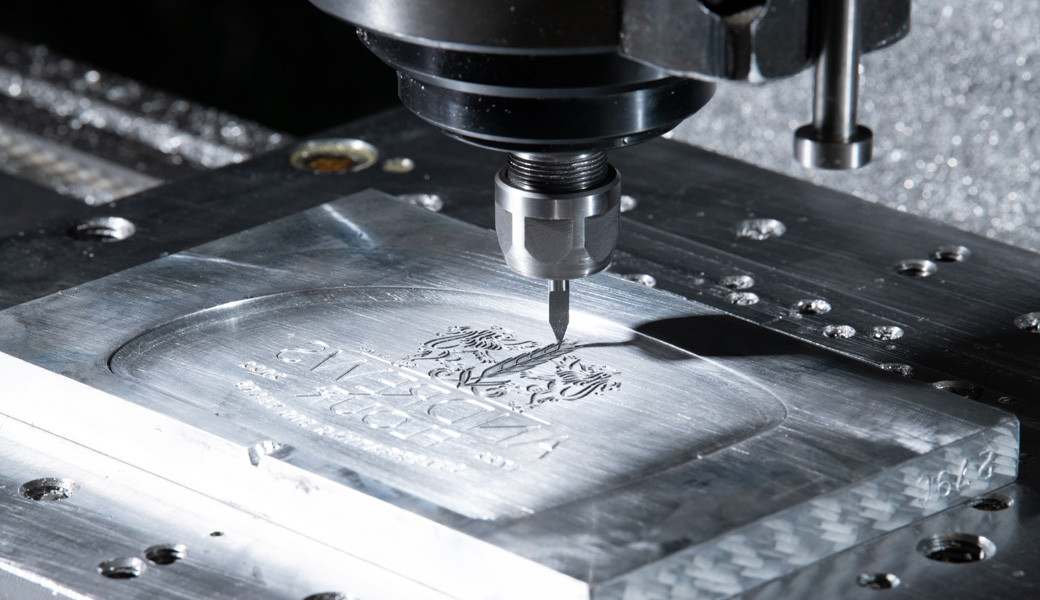
Badges and emblems. Manufacturer and model badges, often chrome-plated or foil-finished for a metallic appearance. This is a particular specialism of ours, with chrome plated badges representing one of our strongest capability areas.
Interior trim. Dashboard components, door cards, air vents, switch surrounds and centre-console pieces, produced in materials that combine strength, finish quality and heat resistance.
Exterior trim. Wheel arch mouldings, sill covers, grille surrounds and exterior detailing, typically produced in impact-resistant grades with UV stability for weather resistance.
Functional components. Clips, brackets, connectors, fluid reservoirs and housings for electronic components, produced in engineering-grade plastics for strength and reliability.
Under-bonnet components. Air intake parts, coolant reservoirs and cable guides, requiring materials with high heat resistance and chemical stability.
Point-of-sale and display components. Dealer-focused branded items, promotional pieces and showroom fittings, often produced in shorter runs with high finish quality.
Materials used in automotive injection moulding
Material choice in automotive applications is driven by a specific set of requirements: strength, impact resistance, heat and chemical stability, finish quality and, increasingly, sustainability. The most common polymers used include:
ABS (Acrylonitrile Butadiene Styrene) offers a strong, rigid part with an excellent surface finish that takes paint and chrome plating especially well. This is why ABS is a go-to choice for automotive badges, trim and cosmetic parts. See our full guide to ABS injection moulding for more.
Polycarbonate (PC) combines high impact resistance with optical clarity, making it ideal for light housings, guards and any component that needs both strength and transparency. Read more about polycarbonate injection moulding.
Nylon (polyamide) is an engineering polymer with excellent strength, wear resistance and heat performance. It's commonly used for functional components such as gears, bearings and connectors that face mechanical or thermal stress.
Polypropylene (PP) is a versatile, cost-effective material used for a wide range of interior and utility components, valued for its chemical resistance and recyclability. See our guide to polypropylene injection moulding.
TPE (thermoplastic elastomer) provides a flexible, soft-touch material for seals, grommets and overmoulded soft-grip components.
For a fuller overview of injection moulding materials and how to choose between them, see our material selection guide.
Finishes and secondary processes for automotive parts
Automotive parts often need more than just moulding. The finish is what turns a plain moulded component into a showroom-quality part. Common secondary processes include:
Chrome plating. For that unmistakable metallic finish on badges, trim and detailing. We offer in-house chrome plating for our automotive customers, allowing us to control quality end to end.
Painting and printing. For colour matching to vehicle liveries and applying logos, model designations and other detail.
Hot-tip foiling. For crisp metallic detailing on badges and trim, applied at speed and with excellent registration.
Ultrasonic welding and assembly. For joining multiple moulded components into a single finished assembly, without the weight or complexity of mechanical fasteners.
Masterbatch colour matching. For Pantone-specific colour matching to brand and vehicle colour specifications, including special effects like pearlescent, metallic and glow-in-the-dark finishes where required.
At Great Central Plastics, we offer these post-moulding services in-house, which shortens lead times and keeps quality control under one roof. See our full range of post-moulding services for more.
Why choose a UK automotive injection moulding company
For UK-based automotive manufacturers and Tier 1 suppliers, working with a British injection moulding partner offers several distinct advantages over offshore alternatives:
Shorter lead times. Domestic tooling and production, without the shipping delays and customs clearance that offshore work involves. Change orders can be implemented in days rather than weeks.
Quality control on your doorstep. Site visits, tool trials and quality reviews are practical and often possible within the same day, rather than requiring international travel.
Intellectual property protection. UK legal frameworks and physical proximity give better control over designs, tooling and production data.
Sustainability credentials. Domestic manufacturing carries a lower carbon footprint than shipped-in components, which increasingly matters to both OEM and end-consumer sustainability reporting.
Responsive support. Ongoing tool maintenance, repair and refurbishment happens locally rather than being logistically complicated.
At Great Central Plastics, our Northamptonshire facility gives all of these benefits, backed by ISO 9001:2015 quality accreditation and over 25 years of experience across the sector.
Automotive injection moulding FAQs
Automotive injection moulding produces plastic components for cars and other vehicles, including badges, interior and exterior trim, functional parts (clips, brackets, housings), under-bonnet components and dealer-facing point-of-sale items. It replaces heavier and costlier metal alternatives across a growing range of applications.
ABS is the most common for badges and cosmetic trim thanks to its finish quality and platability. Polycarbonate is used where impact resistance or clarity is needed. Nylon suits functional and mechanical parts, polypropylene is used for a wide range of general-purpose components, and TPE for flexible or soft-touch applications.
UK injection moulders offer shorter lead times, easier quality control, better intellectual property protection, lower carbon footprint and more responsive support than offshore alternatives, without the shipping, customs and translation friction that overseas projects can bring.
Yes. Chrome plating is one of the most common finishes for automotive badges. It's typically applied to ABS parts because ABS accepts the plating process particularly well, giving a durable, high-quality metallic finish. Great Central Plastics offers in-house chrome plating on automotive components.
Modern injection moulding can achieve tight tolerances suitable for automotive fit and finish requirements, typically within a few tenths of a millimetre for well-designed parts. Exact tolerances depend on part geometry, material choice and process control; an experienced automotive moulder can advise on what's realistic at the design stage.
Talk to us about your automotive injection moulding project
Whether you need bespoke badges, functional components or a full programme of automotive plastic parts, our team can support you from initial design through to finished delivery. As a British-made plastic injection moulding company with a specialism in automotive work, we combine the flexibility of an experienced UK moulder with the capability to deliver at scale. Get in touch to discuss your project, or explore our full range of automotive injection moulding services.