How Much Does Plastic Injection Moulding Cost?

For anyone considering injection moulding for a new product, "how much will it cost?" is usually the first question. It is also one of the hardest to answer without knowing the specifics of a project. A simple domed cap will cost a very different amount to a complex multi-cavity technical component, and the same part can be priced very differently depending on volume, tooling approach and finishing requirements.
This guide breaks down what actually drives the cost of plastic injection moulding in the UK, gives realistic indicative ranges for the main cost factors, and explains how to get an accurate quote for your project. It is written for buyers, designers and product owners who want to understand the numbers before they pick up the phone to a moulder.
The Short Answer
Plastic injection moulding costs are shaped by six main factors: tooling, material, part complexity, production volume, cycle time and any secondary processes. Of these, tooling is almost always the highest single upfront cost, while material and cycle time drive the per-unit price once the tool is running.
For most UK projects, buyers can expect tooling costs to sit somewhere between £1,500 and £30,000 depending on complexity, with per-unit costs from a few pence for high-volume commodity parts up to several pounds for smaller, more complex components. These are indicative ranges, but they give a useful starting point.
The Six Main Cost Drivers
1. Tooling costs
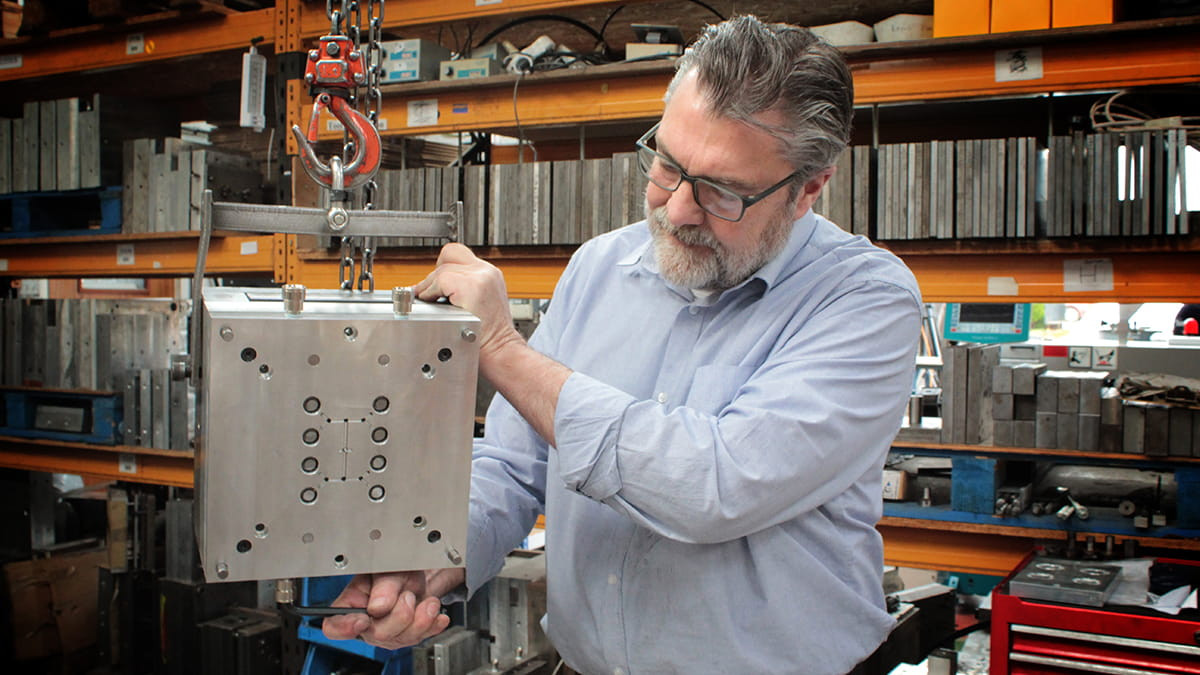
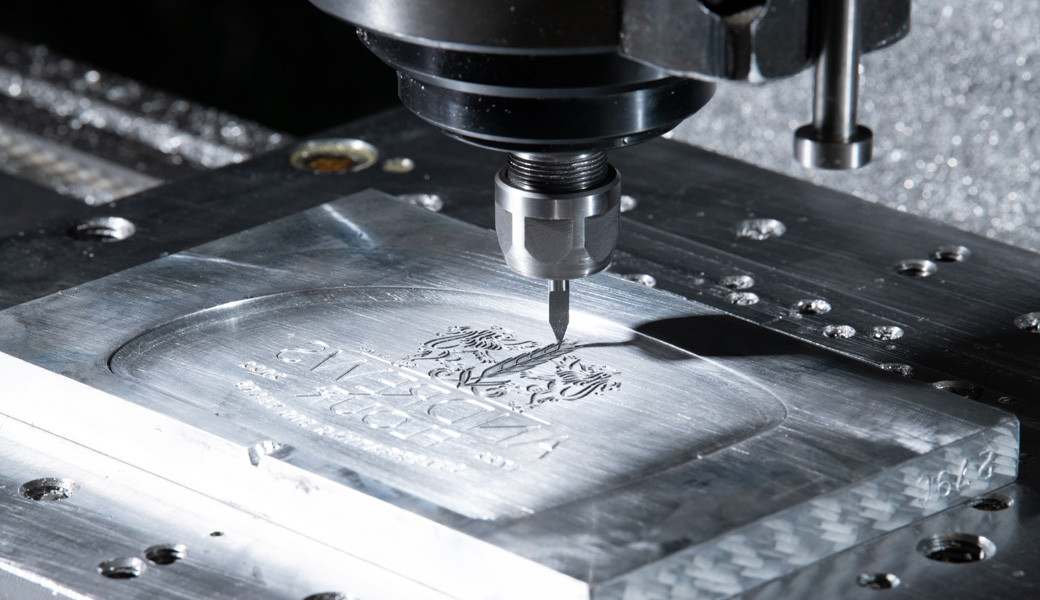
The mould tool is the single biggest upfront cost of any injection moulding project. It is the precision-machined metal cavity that gives the part its shape, and it needs to be built to withstand the pressure and temperature of thousands or millions of production cycles.
Tooling cost depends on:
Tool material. Aluminium tools are the most affordable and suit lower-volume runs. Pre-hardened steel (P20) is the workhorse for most jobs. Through-hardened steel (H13) is used for high-volume production or abrasive materials, and stainless steel is chosen where corrosion resistance or a fine surface finish matters.
Complexity and cavity count. A single-cavity tool is cheaper than a multi-cavity tool, but multi-cavity tools reduce per-unit cost significantly at scale. Features like undercuts, side-actions and internal threads add cost.
Tool size. Larger tools cost more to machine and require larger moulding machines.
Modular vs dedicated. At Great Central Plastics, we operate a modular insert system that keeps tooling costs down for many bespoke projects, making a minimum order quantity (MOQ) of 250 units genuinely viable for simpler jobs. For complex components, fully owned dedicated steel bolsters are still the right choice.
For a straightforward single-cavity aluminium tool, budget from around £1,500. For a multi-cavity hardened steel tool with complex actions, £15,000 to £30,000+ is realistic. Learn more about our in-house injection mould toolmaking.
2. Material selection
Material cost per kilogram varies significantly between commodity plastics such as polypropylene (PP) and polystyrene (GPPS), and engineering grades such as nylon (PA), polycarbonate (PC) or high-performance blends. Food-grade certifications, flame-retardant additives, UV stabilisers and masterbatch colour matching all add to the base material cost.
Small differences in material price add up quickly in high-volume production, so choosing the right grade rather than the most expensive one matters. An experienced moulder can advise on where you can save without compromising performance. Our thermoplastics guide gives an overview of the polymers we work with, and our recent article on how to choose the right plastic covers the selection process in more detail.
3. Part complexity and design
The geometry of your part directly influences how it moulds. Uniform wall thickness, generous draft angles and rounded internal corners all make a part easier and faster to mould, which brings cost down. Sharp corners, thin walls, aggressive undercuts and complex internal geometry all push cost up, either through longer cycle times or more complex tooling.
The best way to control cost at this stage is to involve your moulder early. Design for manufacture (DFM) input at the concept stage can reduce tooling cost, cycle time and material use without compromising the finished product. Our plastic product design team supports customers with DFM reviews from the earliest stages of a project.
4. Production volume
Injection moulding rewards scale. The tool cost is fixed, so the more parts you produce from it, the lower the per-unit cost becomes. Doubling your volume rarely doubles your cost, because material bulk purchasing, longer production runs and reduced setup overhead all bring efficiencies.
That said, low-volume runs are still viable. Our modular tooling approach means bespoke runs of a few hundred units are commercially achievable, which is often not the case with moulders geared exclusively to mass production.
5. Cycle time
Cycle time is the number of seconds it takes to produce one shot from the moulding machine. Faster cycles mean more parts per hour, which lowers per-unit cost. Cycle time is influenced by part geometry (thicker walls take longer to cool), material choice (some polymers cool faster than others) and tool design (well-designed cooling channels reduce cycle time significantly).
A moulder with strong process control can shave meaningful amounts off cycle times across a production run, particularly on longer contracts. This is one of the reasons why the cheapest quote is not always the cheapest project overall; an experienced moulder often delivers a lower total cost through better cycle management.
6. Secondary processes
Very few injection moulded parts leave the machine ready to ship. Most involve at least one secondary process:
Trimming, de-flashing or finishing
Pad printing, hot foiling or laser marking
Assembly, ultrasonic welding or over-moulding
Chrome plating, painting or other surface treatments
Bespoke packaging or bagging
Each adds to the per-unit cost, and each is worth planning in from the start rather than as an afterthought. Our post-moulding services cover most common secondary processes in-house, which reduces cost, lead times and coordination overhead compared to running multiple suppliers.
How to Get an Accurate Injection Moulding Quote
The more information a moulder has, the tighter and more useful the quote they can provide. A good project brief includes:
A 3D CAD file of the part, ideally in STEP or IGES format
Expected annual and total production volume
Preferred or required material (or performance requirements if you're open on material)
Any finish, colour, printing or assembly requirements
Regulatory requirements (food-grade, medical, automotive, etc.)
Target lead times and delivery expectations
A rough idea of your budget, if you have one
Without a CAD file, a moulder can only give a broad indication of cost. With one, we can quote on tooling, per-unit price and total project cost with genuine accuracy.
Where Cost Can be Reduced Without Sacrificing Quality
There are usually opportunities to bring cost down in a project, and the earlier they are identified, the more effective they are:
Design for manufacture. Reducing wall thickness variations, adding draft angles and rethinking complex features can lower tooling and cycle costs significantly.
Rationalising material choice. Choosing the right grade rather than the highest-performing option can reduce material cost by a meaningful percentage.
Consolidating parts. Combining multiple components into a single moulded part often reduces total assembly and tooling cost.
Reviewing volume assumptions. Slightly higher volumes often unlock lower per-unit pricing.
Consolidating secondary processes. Working with a moulder who offers in-house finishing reduces coordination cost.
Why the Cheapest Quote is not Always the Cheapest Project
A significantly cheaper quote often signals cut corners: lighter tooling that will need replacing sooner, tighter margins that could affect quality control, or offshore production with hidden logistics, IP and lead-time risks. When comparing quotes, look at the whole picture: tooling durability, quality management (ISO 9001 is a useful signal), UK vs offshore production, lead times, and whether the moulder offers the finishing and assembly you need in-house.
Great Central Plastics has been manufacturing from our Northamptonshire base since 1998, working with clients including Bentley, Toyota, BBC, Coca-Cola and Disney. Our ISO 9001:2015 registration, in-house toolmaking, and solar-powered facility all feed into the overall value we can offer beyond the headline per-unit price.
Get a Quote for Your Injection Moulding Project
Every project prices differently, and the only way to get a number you can plan around is to have someone look at the part. Send us your CAD file along with your volume and material requirements, and we will come back with tooling costs, per-unit pricing and lead times.
If you are still at concept stage, that is fine too. We are happy to review a sketch or an early design and advise on where cost can be taken out before anything is committed to tooling.
Contact us to talk your project through.